
International Competition
Grand Prize

The Ground Beneath Our Feet
- Iceland, Poland
- 2025
- 82min
- 12 +
- DCP
- color/black and white
Set in a nursing home in Reykjavík, the film quietly observes its elderly residents across the changing seasons. Rather than centering on a single figure or dramatic event, it lingers on the textures of daily life—on moments of feeling, preference, and movement. Depending on personality, companionship, and the body’s degree of frailty, these routines may be still or full of small variations: a resident lying in bed with a headset on, another carefully making the bed and setting fresh flowers by the pillow, a husband painting his wife’s nails, someone in a wheelchair dancing with their hands to music, or an elder returning to the communal dining room after a long absence to exchange greetings. Through these layered vignettes, the film uncovers a rhythm of life that is at once personal, multi-faceted, and universal.
Shot on analog 16mm, it forgoes the convenience of endless digital retakes for the singular, tactile presence of celluloid—capturing the “now” as an unrepeatable moment. In its grain and warmth, the film stock subtly mirrors the bodies it records. Here, the final stage of life is not framed as a slow wait for death, but as a phase of living—steadily, presently, in this very moment. Early on, when a resident asks what the point of filming is, the answer is simple: it is a film about “life.” Quiet landscapes, the shifting light between day and night, the turning of the seasons—by following the residents’ movements and the flow of their shared spaces, the film offers a contemplative, unadorned encounter with a stage of life that awaits us all.
Director
-
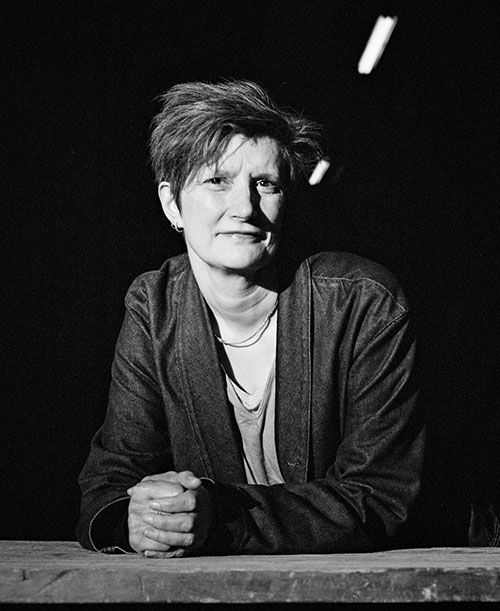
Yrsa ROCA FANNBERG
Born in Iceland. Yrsa Roca Fannberg is a filmmaker and artist who moves seamlessly between documentary and experimental cinema. Her work visually explores themes of space, memory, and family relationships. Her notable films include Salome (2014) and The Last Autumn (2019).
Credit
- ProducerHanna BJöRK VALSDóTTIR
- Screenwriter Yrsa ROCA FANNBERG
- Cinematography Wojchiech STARON
- Editor Federico DELPERO BEJAR
- Music Skúli SVERRISSON
- Sound Björn VIKTORSSON
Special Jury Prize
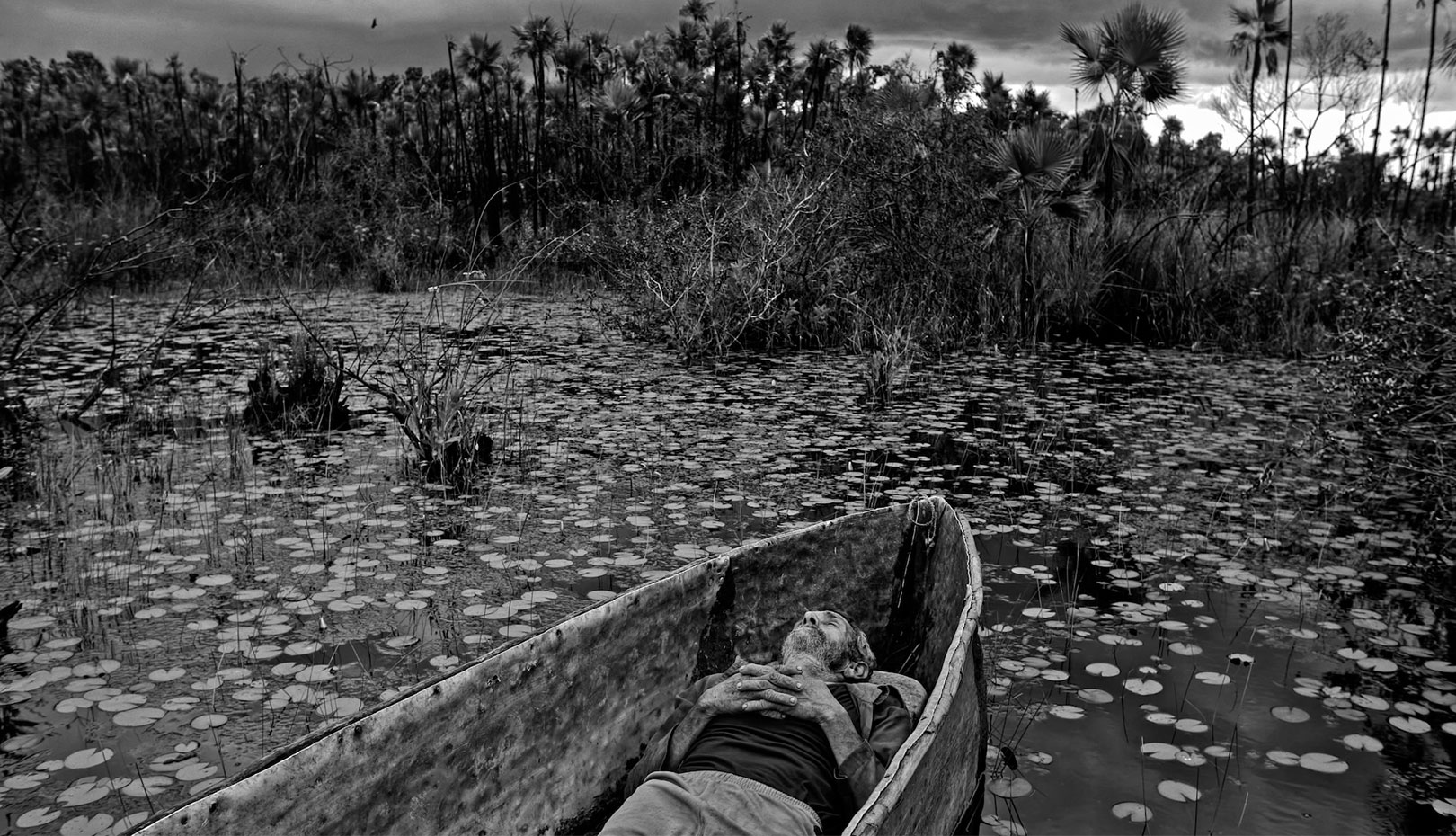
To the West, in Zapata
- Cuba, Spain
- 2025
- 75min
- 12 +
- DCP
- black and white
Director
-
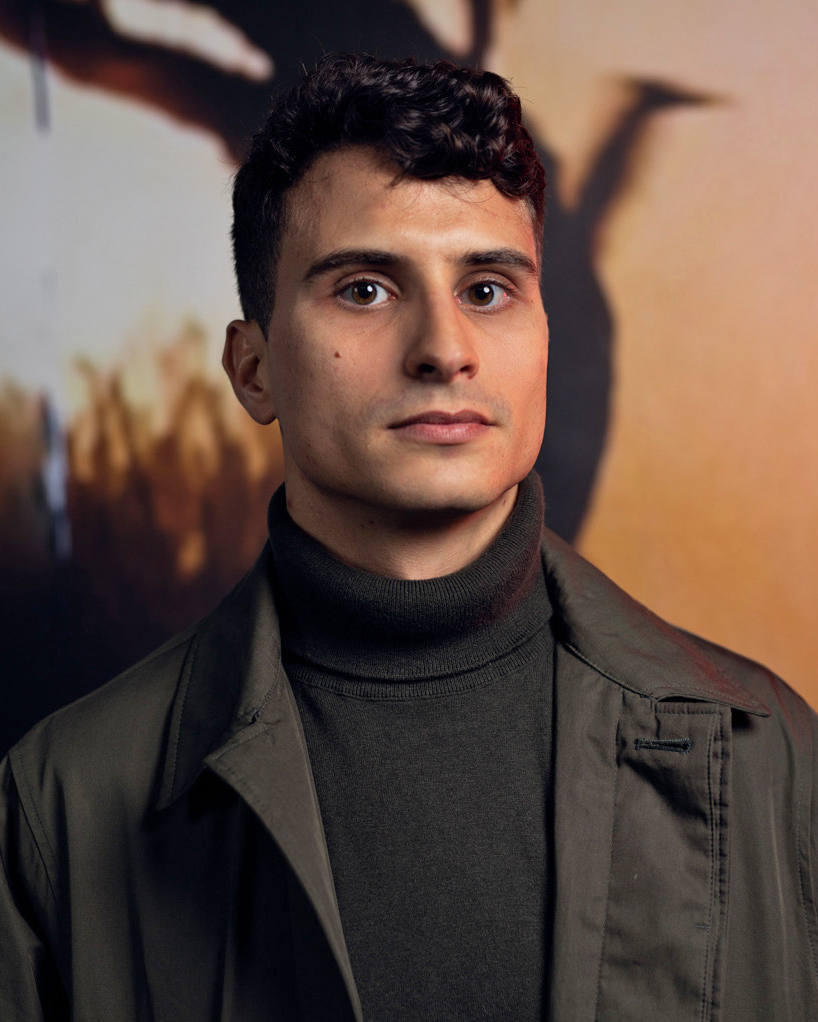
David BIM
David Bim is a Cuban film director based in Havana.To the West, in Zapata is his debut feature-length documentary.
Credit
Jury Special Mention
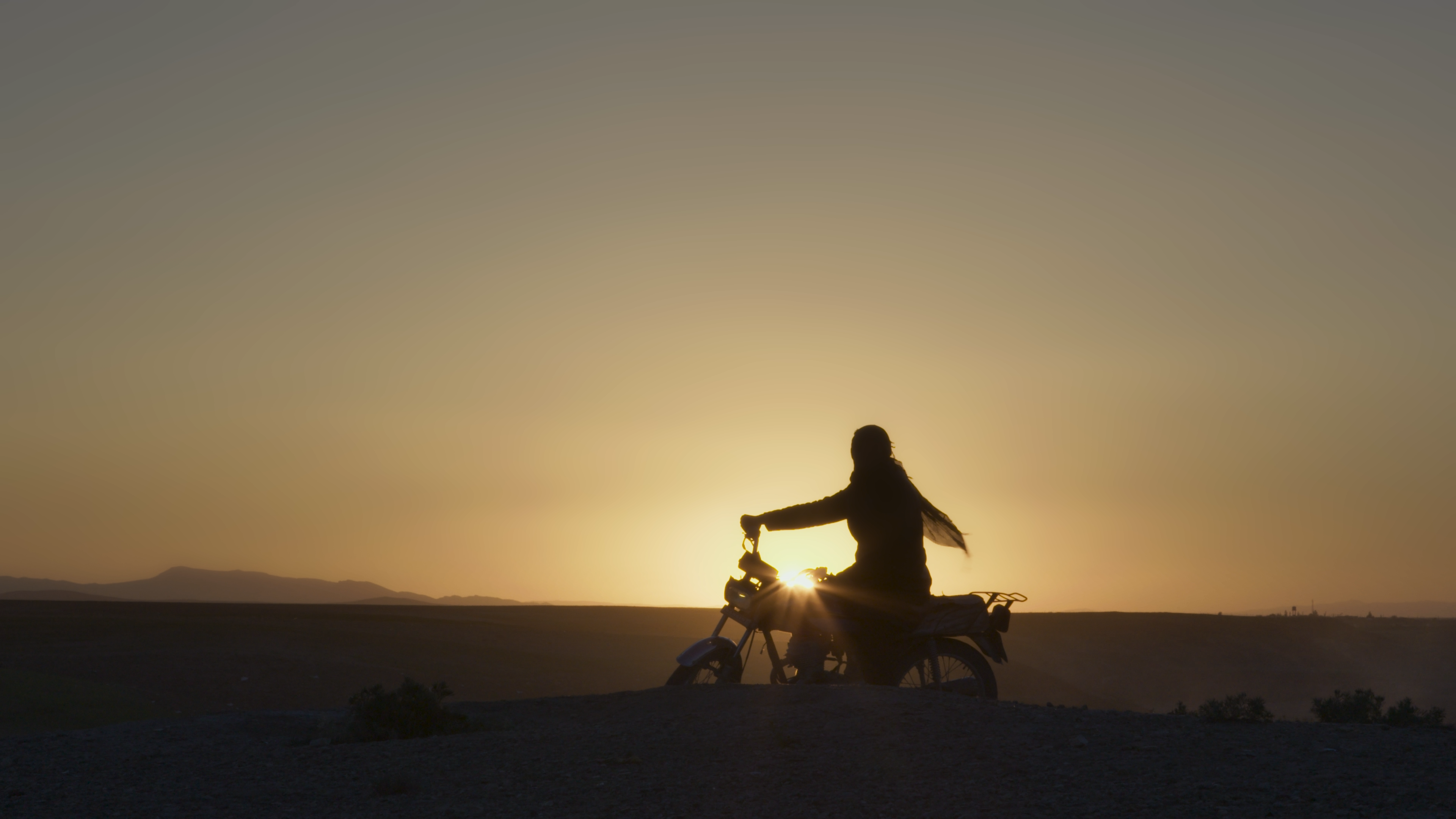
Cutting Through Rocks
- 2025
- 93min
- 12 +
Director
-
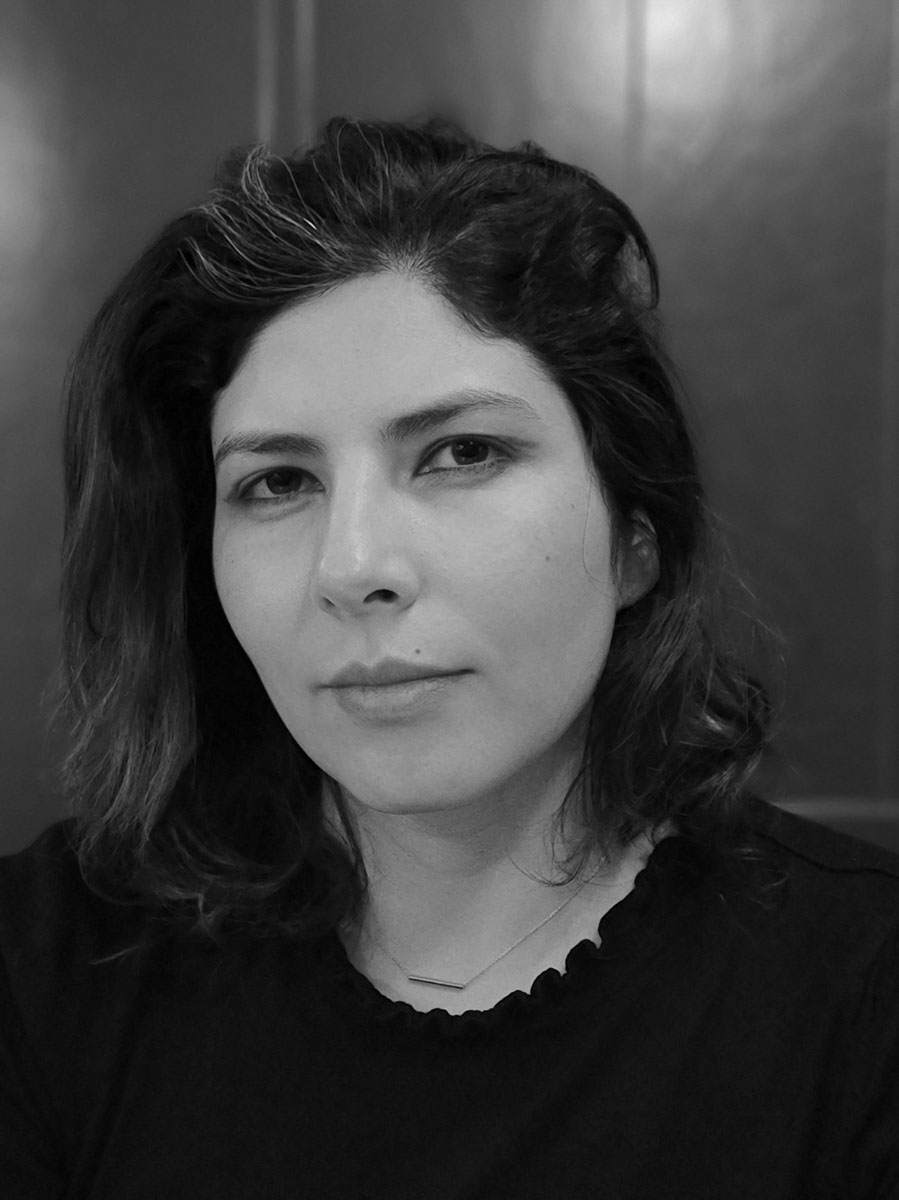
Sara KHAKI
Sara Khaki is an Iranian-American documentary filmmaker and editor. She co-directed Our Iranian Lockdown (2020) and Cutting Through Rocks with Mohammadreza EYNI. Cutting Through Rocks won the Grand Jury Prize at the Sundance Film Festival. -
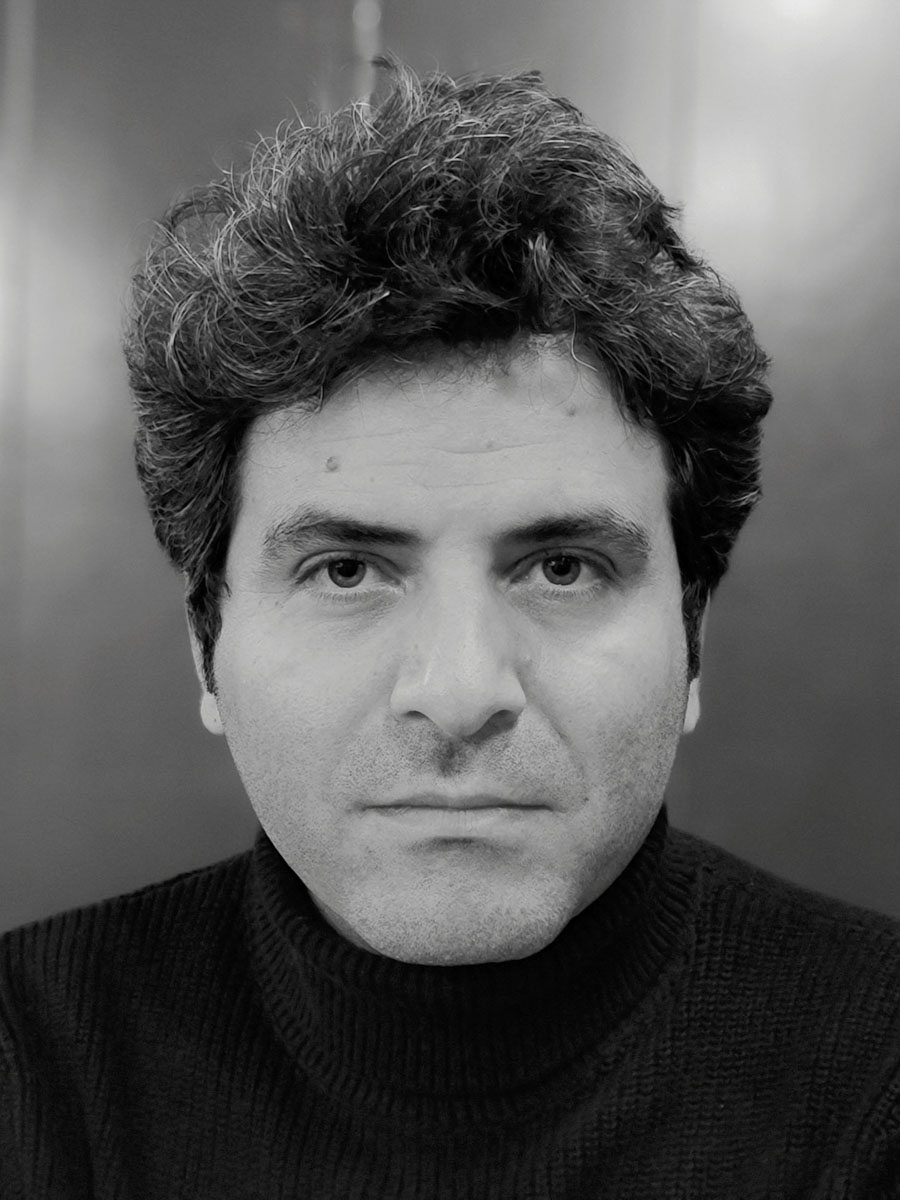
Mohammadreza EYNI
Born in Iran. Mohammadreza Eyni is a filmmaker and cinematographer. He co-directed Our Iranian Lockdown (2020) and Cutting Through Rocks with Sara KHAKI. Cutting Through Rocks received the Grand Jury Prize at the Sundance Film Festival.
Credit
Frontier Competition
Grand Prize
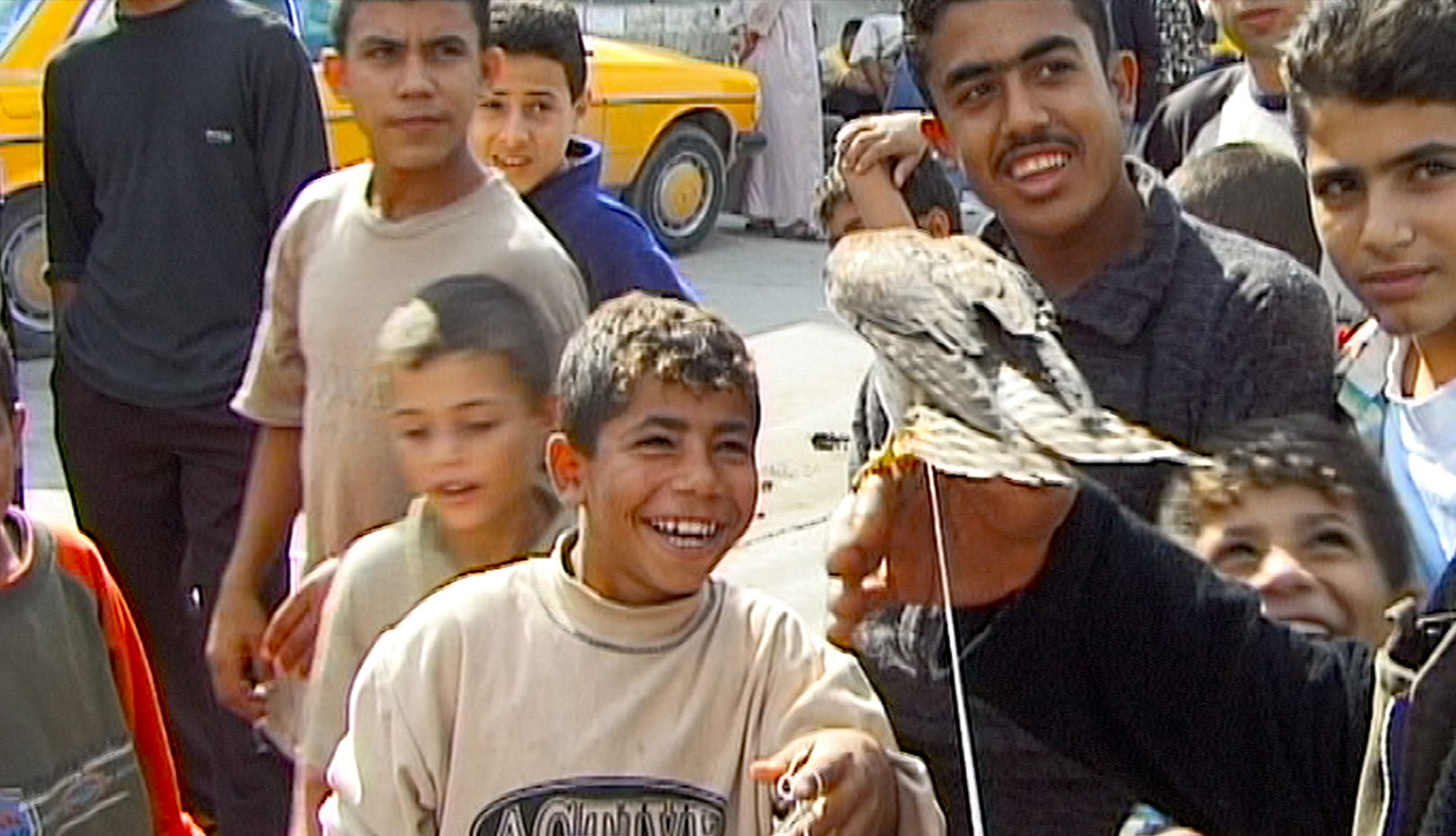
With Hasan in Gaza
- Palestine, Germany, France, Qatar
- 2025
- 106min
- 12 +
- DCP
- color
Kamal Aljafari, one of the most innovative voices in found-footage cinema, returns with his latest work, With Hasan in Gaza. While sifting through old materials, the Palestinian filmmaker unearthed three DV tapes from a 2001 trip to the Gaza Strip. They contained fragments of a place and time that no longer exist—a world since swallowed by the devastation of war.
In his signature style, Aljafari transforms these archival images into a ghostly projection, collapsing the distance between then and now. What begins as a search for Hassan, a local guide from that trip now lost to time and conflict, becomes an unexpected journey across Gaza. The camera drifts through streets and landscapes, lingering on the fleeting textures of everyday life—small moments of existence that may never return.
The question haunts the film: Where is Hasan now? Aljafari’s search for this erased figure becomes a meditation on all who have vanished in the fog of war, and a tribute to the resilience of life under siege. Applying his concept of “the camera of the dispossessed,” he shows the archive’s power not merely to preserve, but to resurrect—to breathe new, urgent meaning into moments that were almost lost forever.
Director
-
Kamal ALJAFARI
Born in Palestine, 1972. Kamal Aljafari is a filmmaker and artist. His work explores cinema and archives through an experimental lens, grounded in a critical inquiry into historical erasure and the politics of images. His films have been presented at major international film festivals and museums.
Credit
- ProducerKamal ALJAFARI, Flavia MAZZARINO
- Screenwriter Kamal ALJAFARI
- Cinematography Kamal ALJAFARI
- Editor Kamal ALJAFARI
- Music Simon FISHER TURNER, Attila FARAVELLI
- Sound Kamal ALJAFARI
Jury Special Mention
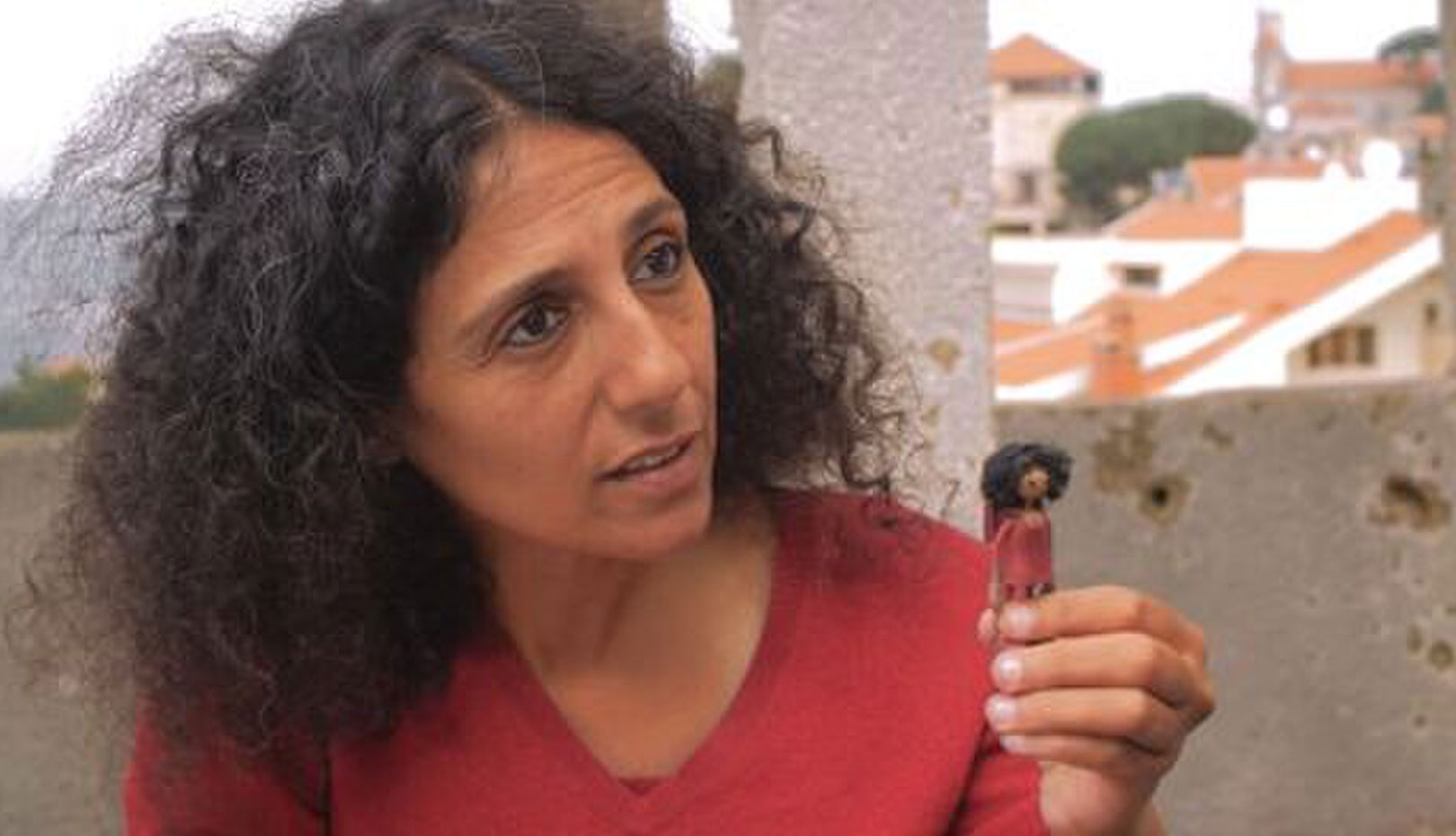
Green Line
- France, Qatar, Lebanon
- 2024
- 151min
- 12 +
- DCP
- color/black and white
Director
-
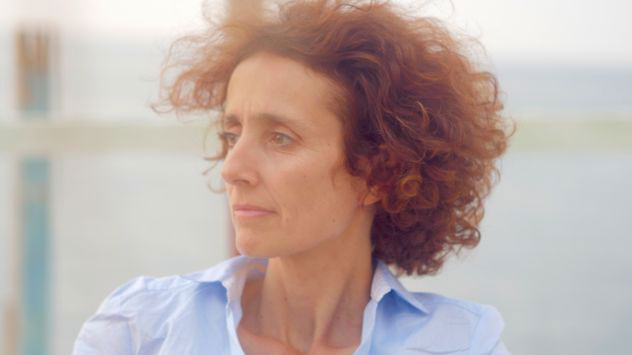
Sylvie BALLYOT
Born in France, 1967. Sylvie Ballyot is a filmmaker and video artist who explores various cinematic forms and questions the boundary between the personal and the collective.
Credit
- ProducerCéline LOISEAU
- Cast Fida BIZRI
- Screenwriter Sylvie BALLYOT, Fida BIZRI
- Cinematography Béatrice KORDON, Sylvie BALLYOT
- Editor Charlotte TOURRèS, Sylvie BALLYOT
- Music Luc MEILLAND, Kamilya JUBRAN, Sylvie BALLYOT
- Sound Tatiana EL DADAH, Luc MEILLAND
Korean Competition
Grand Prize (Feature)
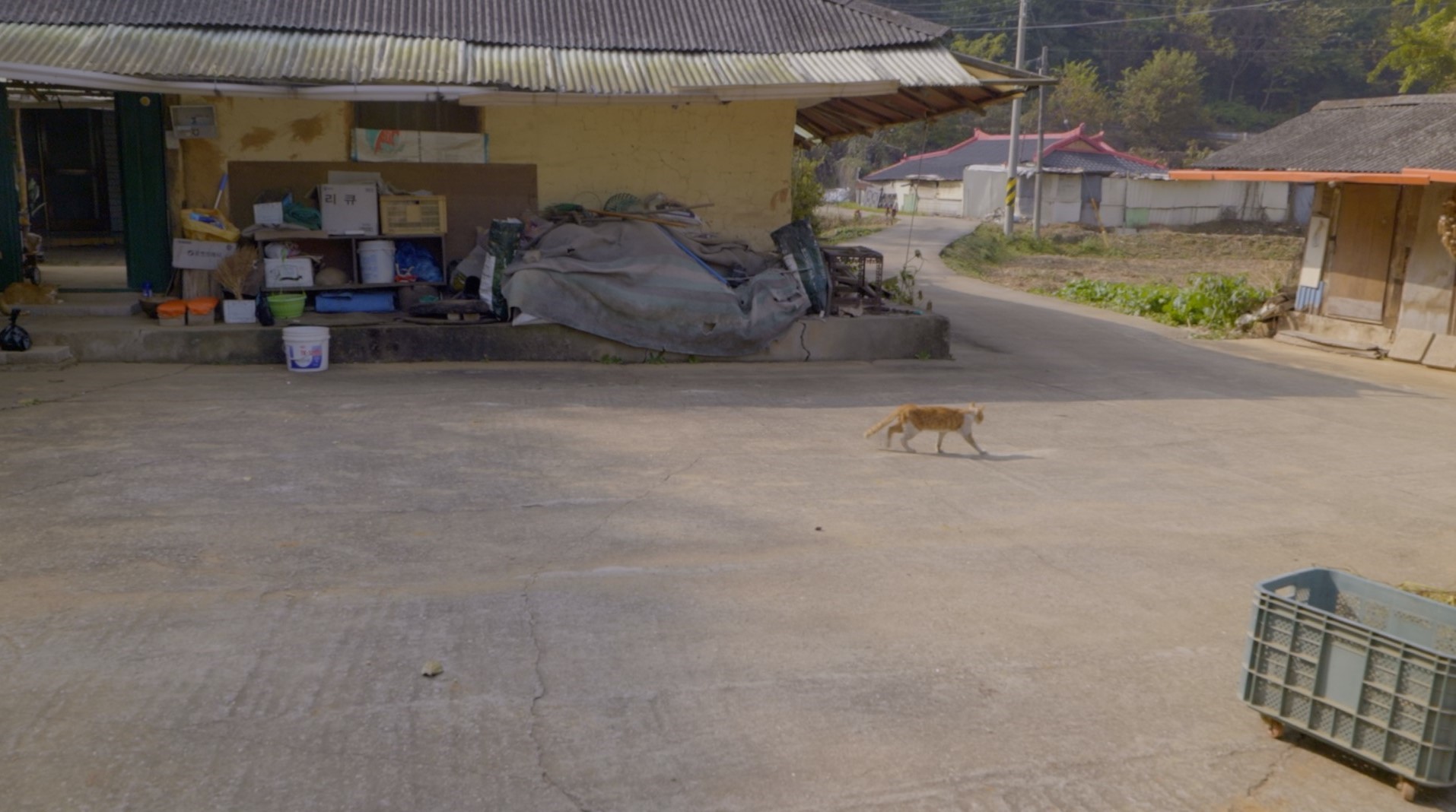
A House with Two Yards
- South Korea
- 2025
- 74min
- 12 +
- DCP
- color
The film opens with a close-up of fingernails being clipped. The clippings resemble lettuce seeds. Over this image, the voices of a grandmother and the director overlap—she asks how her grandmother has been, and the reply follows. The two are then brought together visually: the grandmother’s yard and the director’s apartment balcony, juxtaposed as if in quiet conversation. While the film’s subjects are ostensibly the grandmother and her lettuce, it unfolds in many layers, like lettuce with its many layers.
Director Seol Suan, who has long documented native seeds, turns her lens to Osebong lettuce—named after Osebong, the grandmother who has cultivated it for decades. This is not supermarket produce, but a living thing nurtured by care, soil, and weather, carrying a deeply human story. The grandmother recalls tending the seeds her own mother gave her upon marriage, a ritual that keeps her connected to the past. These seeds, passed from one generation to the next, now rest in the director’s hands, linking the grandmother’s story with her own. Alongside this, she scatters fragments of her life into the film—words from a piano lesson, moments of bodily pain—like seeds sown in a garden. “More important than strengthening weak fingers is learning to loosen the strong ones,” she was once told. The film, too, loosens its grip, and in doing so, finds its quiet strength.
Outwardly calm and measured, the work hums with the inner sound and movement of transformation, carrying the quiet vitality of a seed becoming lettuce. At once the grandmother’s story, the story of a seed, and the story of the filmmaker herself, A House with Two Yards becomes a gentle yet profound meditation on the everyday labor of sustaining life.
Director
-
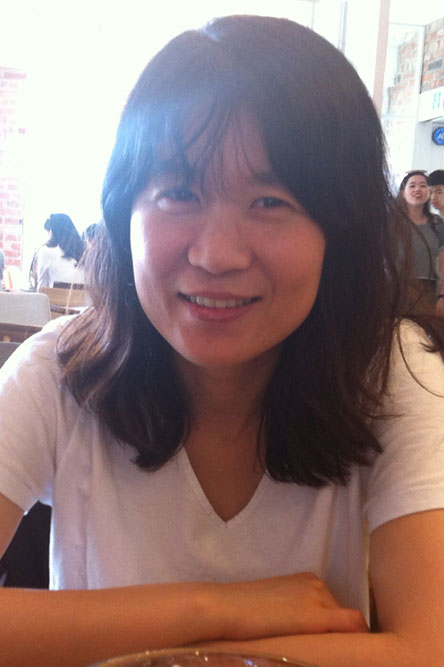
SEOL Suan
Born in South Korea. Seol Suan earned her master's in documentary from Goldsmiths, University of London. She directed shorts including Complicated Order (2007), Kungfu Tea (2017), and The Uncomfortable (2019). Her first feature Time of Seeds (2022) won Grand Prize in Korean Competition at 14th DMZ Docs.
Credit
- Producer설수안 SEOL Suan
- Cast 오세봉 OH Sebong
- Cinematography 이희섭 LEE Heeseop 설수안 SEOL Suan
- Editor 설수안 SEOL Suan
- Music 유지완 YOO Jiwan 김오키 KIM Oki
- Sound 표용수 PYO Yongsoo
Jury Special Mention(Feature)
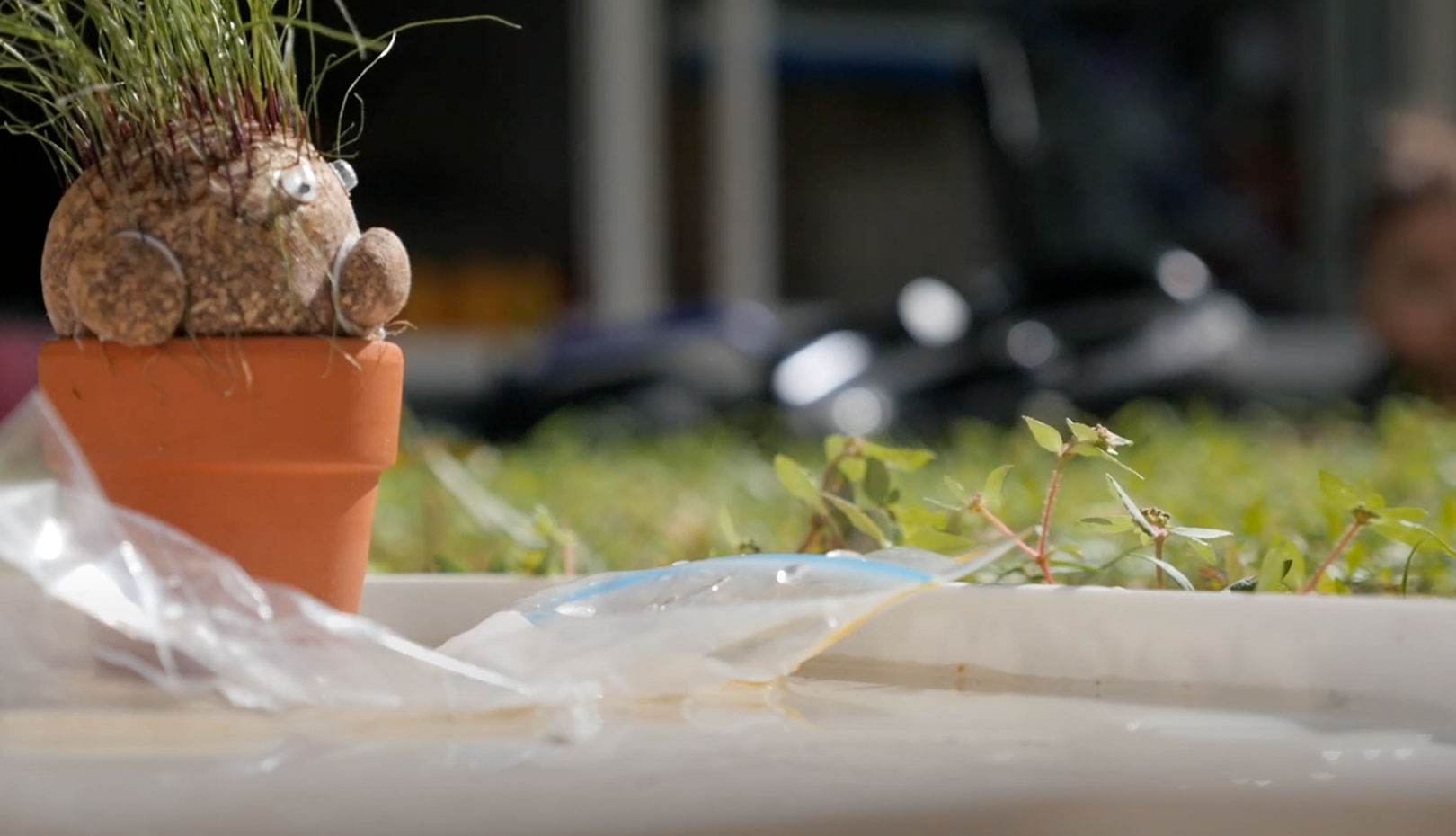
Letter to an Unknown Mother
- South Korea, Australia, Japan, Portugal
- 2025
- 65min
- 12 +
- DCP
- color/black and white
Director
-
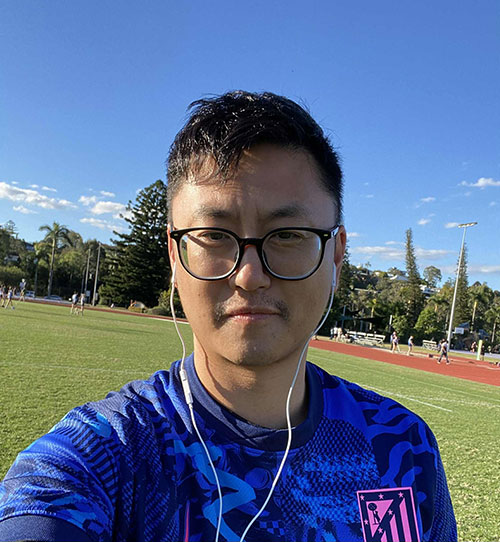
CHO Jinseok
Born in South Korea. Cho Jinseok majored in film theory at university and has contributed articles to various film media across Asia, the USA, and Europe. His major work includes Colonel Panics (2016).
Credit
- Producer조진석 CHO Jinseok
- Screenwriter 조진석, 김유리 CHO Jinseok , KIM Yuri
- Cinematography 조진석 CHO Jinseok
- Editor 조진석 CHO Jinseok
Grand Prize (Short)
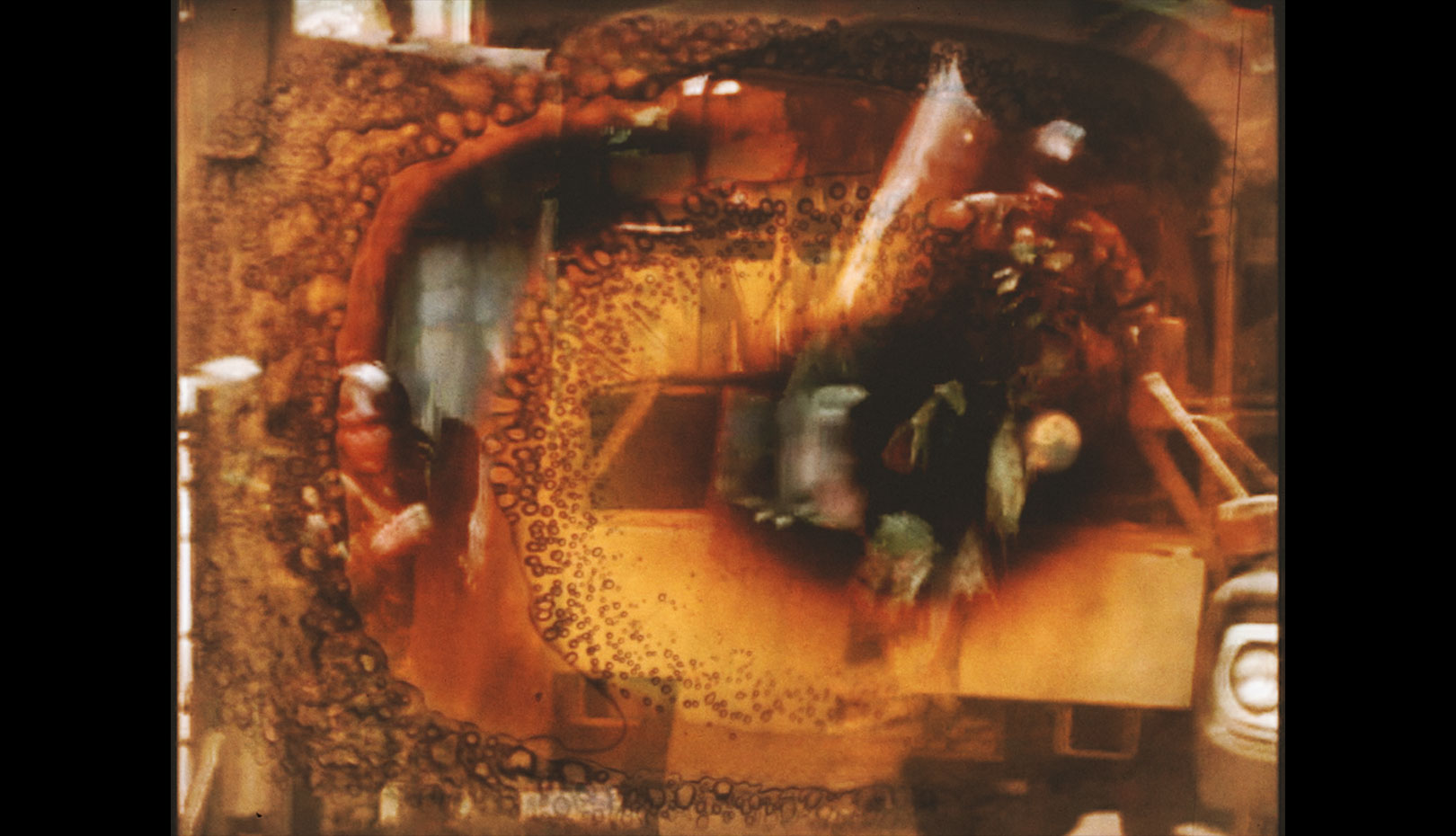
Last May in Theaters
- South Korea, Indonesia
- 2025
- 22min
- 12 +
- DCP
- color/black and white
May 1980: Gwangju Theater stands at the center of Korea’s pro-democracy uprising. May 1998: Buaran Theater bears witness to the protests and riots that erupt in Jakarta, Indonesia. Drawing on his long engagement with Indonesia’s violent history, Yogyakarta-based director Arif Budiman links these two moments in Last May in Theaters, using their parallels as a bridge for transnational reflection. Testimonies from those who defended each theater, alongside archival footage, are digitally reworked to recover fragments of history left in the shadows.
What emerges is not only a shared memory of state violence across Asia, but also a recognition of cinema’s political potential—as a space where reality is recorded, reflected upon, and experienced together. The film becomes a critical meditation on cinema as democratic practice: a medium that can both preserve the past and create spaces for collective thought in the present.
Director
-
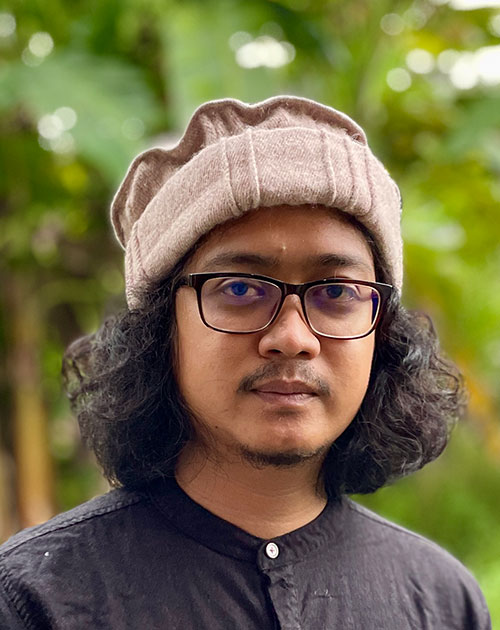
Arief BUDIMAN
Arif Budiman is an artist and filmmaker based in Yogyakarta. With an interest in historical violence, he continues work connecting technology, archives, and collective memory through moving images and media art.
Credit
- ProducerRugun SIRAIT, Eunha LEE
- Cast Irwan DIANSYAH, Chan KOOK
- Screenwriter Arief BUDIMAN
- Editor Arief BUDIMAN
- Music Wukir SURYADI, Rani JAMBAK, Yenting HSU
- Sound Arief BUDIMAN, Pandu MAULANA
Jury Special Mention(Short)
Picnic
- South Korea
- 2025
- 21min
- G
- DCP
- color
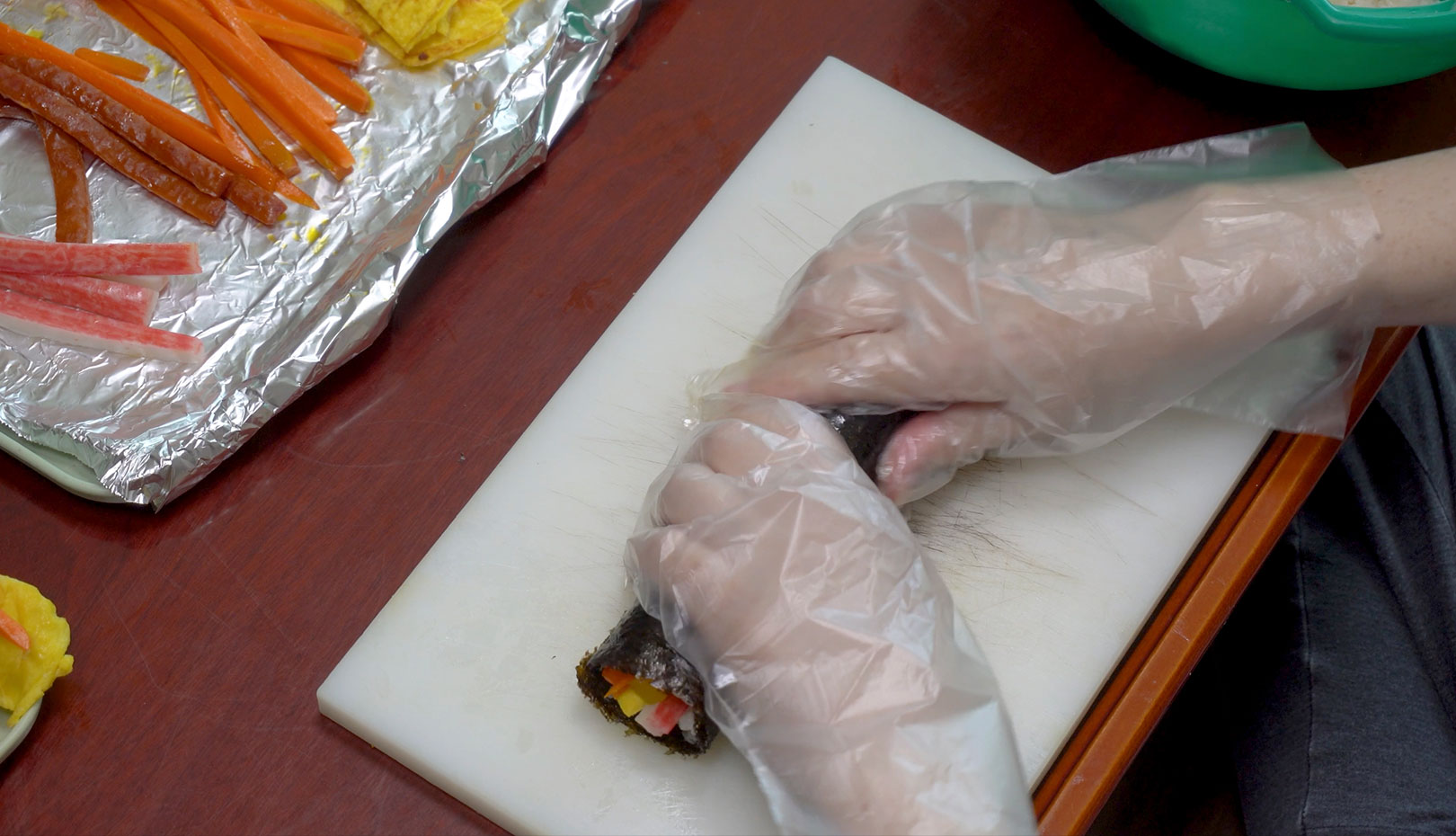
Director Choi Subin calls her mother’s chemotherapy trips, which take place every three weeks, a “picnic.” To give these journeys such a name, there must first have been deep sorrow. But Picnic makes no attempt to dwell on it, pointedly leaving that sorrow unsaid. Instead, the camera stays with the small rituals: preparing snacks, the drive to the hospital, the fellow patients her mother greets there.
This choice is the film’s most powerful narrative act. For narrative is how we make sense of hardship, bring order to a chaotic world, and share that distilled wisdom with others. By accompanying this brief road movie, we are left with a profound sense of the will to live that underpins the most ordinary days, and of the quiet affection and respect that sustain them.
Director
-

CHOI Su-Bin
Born in 1996. Choi Su-bin directs narratives and produces images. He prioritizes what is considered odd or beautiful, as well as the reality that provides them.
Credit
- Producer최수빈 CHOI Subin
- Cast 전영주 JEON Yeongju
- Cinematography 최수빈 CHOI Subin
- Editor 최수빈 CHOI Subin
- Sound 최수빈 CHOI Subin
Special Awards
Special Prize for Outstanding Aesthetic Achievement
Beyond Now, Nyein
- South Korea
- 2025
- 109min
- 15 +
- DCP
- color
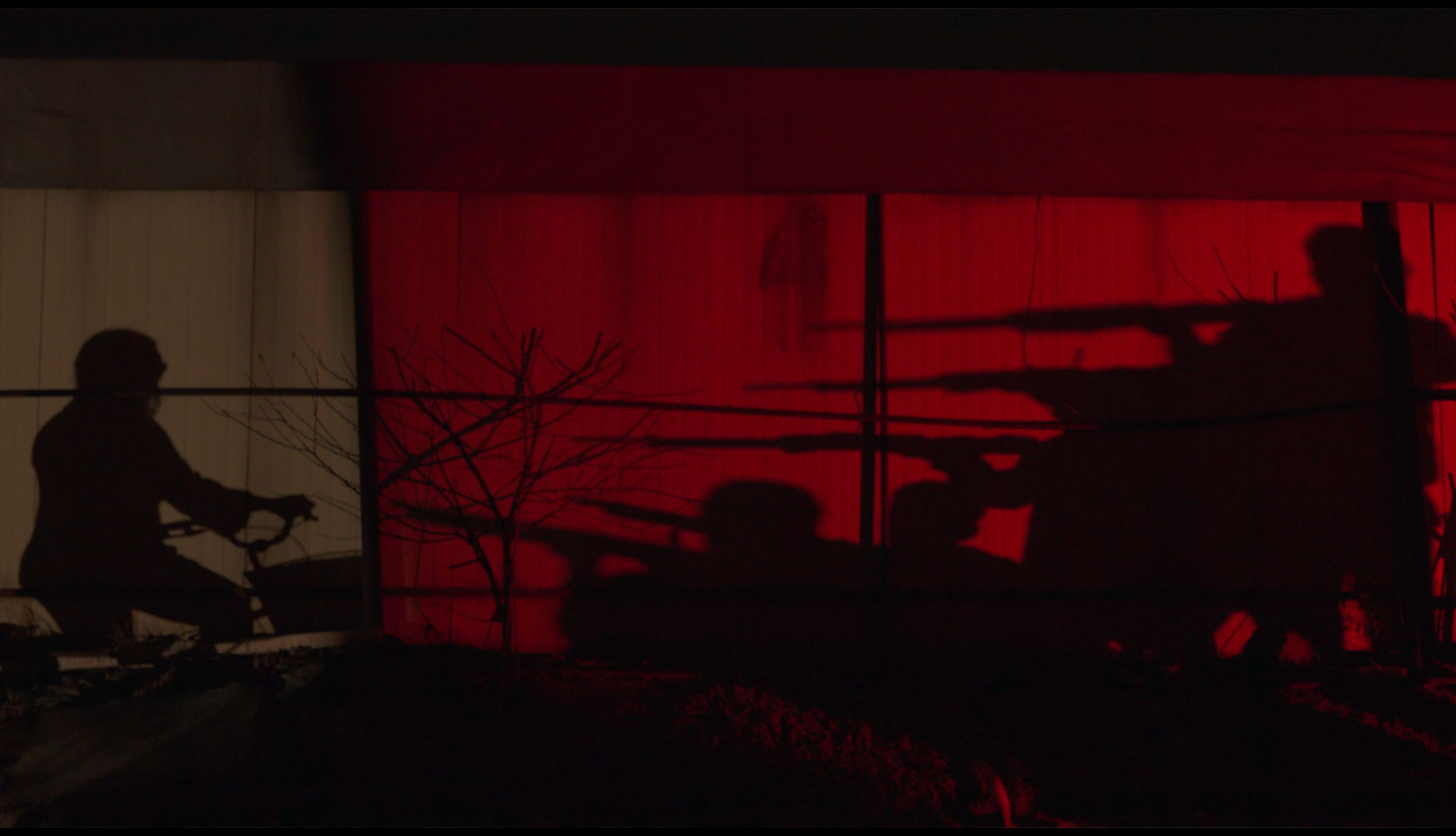
In 2021, at the height of the COVID-19 pandemic, Korean national Choi Jinbae and his wife, Nyein Thazin from Myanmar, began receiving photos and videos from her home country. They contained stark evidence of the violence and repression unleashed after the military coup. While Choi worked as a delivery driver and Nyein as a restaurant server in Korea, the couple devoted themselves to supporting Myanmar’s pro-democracy movement.
Filmed over five years, director Lim Daecheong’s debut feature follows the turbulent chapter the couple has lived through since the coup. As global attention to Myanmar’s struggle fades beneath the relentless tide of other conflicts, urgent video messages continue to arrive on their phones. Originally planning to center the film on footage of military violence and popular resistance, Lim ultimately shifts his focus to the couple’s emotional odyssey amid Myanmar’s prolonged political crisis.
Their inner world—marked by anxiety, guilt, and the strain of forging a life in a new country—is conveyed through a blend of observational and dramatized sequences. What emerges is not the portrait of unshakable activists, but of ordinary people who stumble and falter, yet persist. In their faces, sorrow and doubt are inseparable from resilience. To meet their gaze, the film suggests, is to begin the ethical work of bearing witness and extending solidarity to the suffering of others.
Director
-
LIM Daecheong
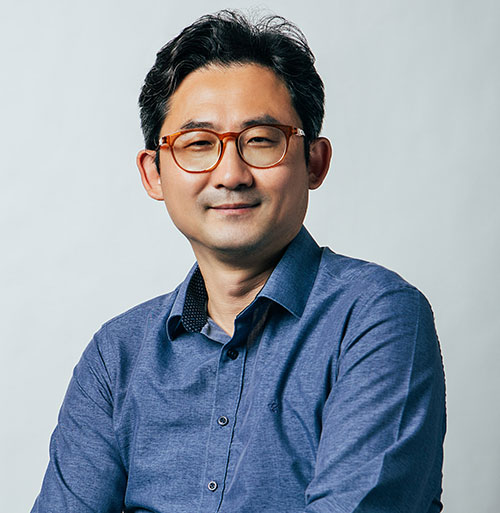
Born in South Korea, 1976. Lim Daecheong focuses on stories of marginalized people living in contemporary society. His major work includes Molly's Home (2020).
Credit
- Producer정한 JEONG Han
- Cast 녜인따진 NYEIN Thazin 최진배 CHOI Jinbae
- Cinematography 조영천 CHO Youngchen
- Editor 임대청 LIM Daecheong
- Music 한민희 HAN Minhee
- Sound 한민희 HAN Minhee
Special Prize for Social Solidarity
Sometimes, Beauty Lies Along the Journey
- South Korea
- 2025
- 83min
- 12 +
- DCP
- color
Director
-

KO Hanbul
Born in South Korea, 1985. Ko Hanbul is a documentary filmmaker. His major works include Out of the Classroom (2017) and In the Sky Where Seasons Pass By (2021).
Credit
- Producer김일권 KIM Ilkwon
- Cast 정선영 JUNG Sunyoung 정호영 JUNG Hoyoung 김창연 KIM Changyeon 정회갑 JUNG Hoi-gap
- Cinematography 고한벌 KO Hanbul 류형석 RYU Hyungseok
- Editor 고한벌 KO Hanbul
- Music 임미현 IM Mihyun
Special Prize for Emerging Documentary Filmmaker
Yakiniku ToRaJi
- South Korea
- 2025
- 86min
- 12 +
- DCP
- color
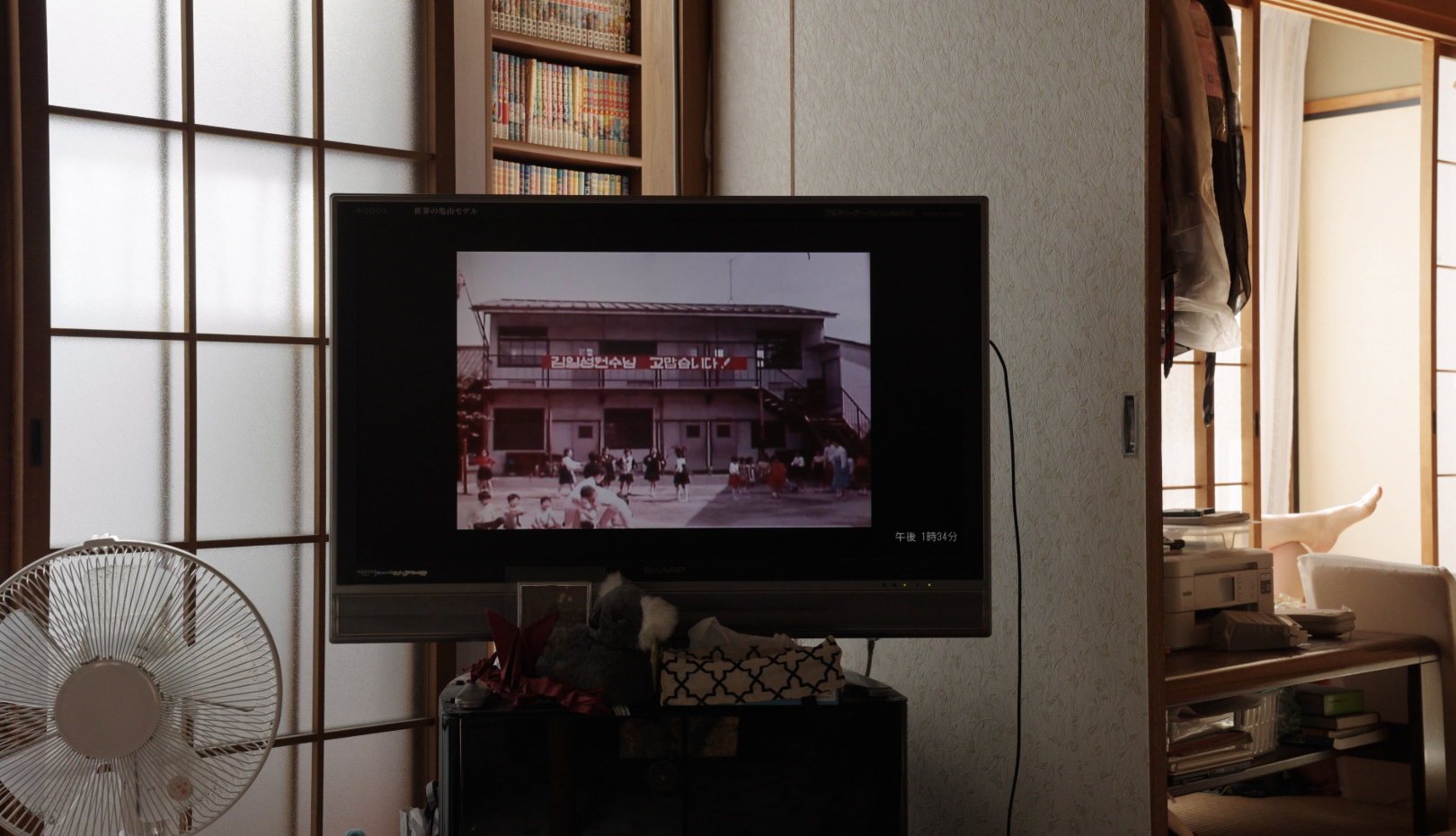
Yakiniku ToRaJi is the feature debut of director Yang Jihoon, a recent Grand Prize winner at the 14th DMZ Docs for his short The Shooters. With camera in hand, Yang travels to Japan to reunite with an old school friend—an older “hyung” who was a close companion in his youth. This friend is a Zainichi Korean, a member of Japan’s long-marginalized Korean community. Spending time with his family, Yang eats, talks, and asks foundational questions: What does it mean to live as Zainichi? How does one build an identity denied by two nations?
The film sets out to dismantle entrenched cinematic stereotypes of Zainichi Koreans. Structured in two chapters—“Doraji” and “Bulgogi”—its narrative peels away the image of the North Korean loyalist, seeking instead a perspective unclouded by political prejudice. In the second chapter, Yang introduces layered frames as a reflective device, prompting his subjects to watch themselves on screen.
The faces of all Zainichi participants are blurred—not only for privacy, but as a potent visual metaphor for an identity rendered faceless by systemic denial. Yang’s intent is both provocative and ambitious, challenging the dominant frameworks of identity politics. Yakiniku ToRaJi is ultimately more than a portrait of a friend; it is a bold attempt to reimagine how cinema can regard those whose very existence has been erased from official history.
Director
-
YANG Jihoon
Born in South Korea. Yang Jihoon captures the unique grain of people categorized before the camera, revealing what gets overlooked in image production and consumption processes. His previous work The Shooters (2022) won the Grand Prize in Korean Short Competition at the 15th DMZ Docs, garnering attention.
Credit
- Producer양지훈 YANG Jihoon
- Cinematography 양지훈 YANG Jihoon
- Editor 양지훈 YANG Jihoon
- Music 원형우 WON Hyeongwoo 김준현 KIM Junhyeon
- Sound 양지훈 YANG Jihoon
Critics' Choice Award (HANMAC Award)
Edhi Alice : Reverse / Edhi Alice : Take
- South Korea
- 2024
- 130, 128min
- 15 +
- DCP
- color
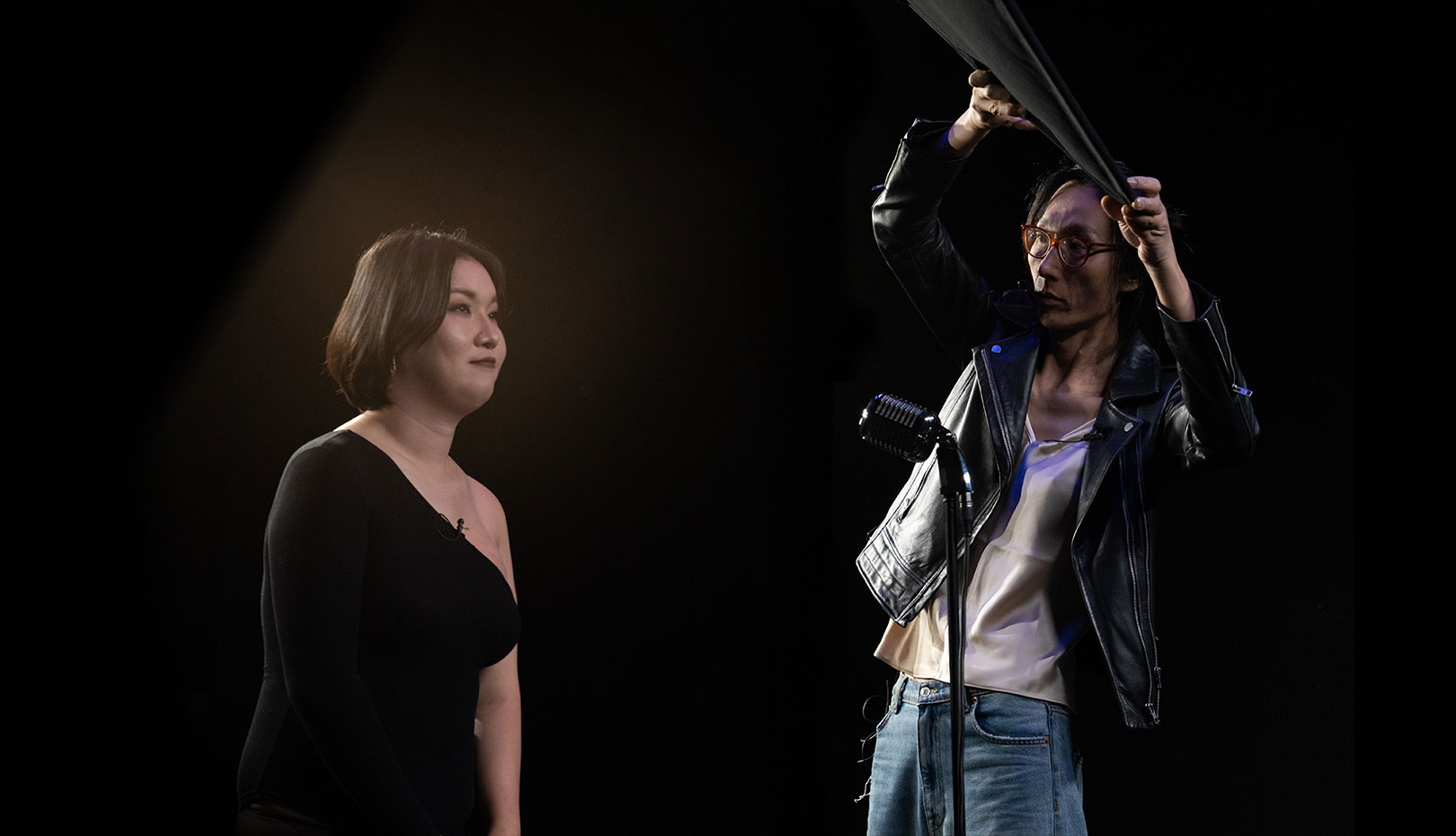
Edhi Alice unfolds as an asymmetrical dialogue between the daily lives of two transgender women—Edhi and Alice—whose stories intersect and respond to each other in shifting, interwoven rhythms. Water and film imagery form the visual and thematic core: from the baths and ocean waves they visit, to the blue, red, and violet swirls that mirror their submerged perceptions and inner sensibilities. Between these moments, shots of film being stored punctuate the transitions, as their bodies glimmer like light across a rippling surface. The work moves fluidly across a series of binaries: exploration and travel, protagonist and crew, visibility and invisibility, presence and absence. This constant play of crossing and response extends beyond the screen, inviting the audience into the experiment itself. First shown in November 2024, Edhi Alice: Reverse introduces Edhi first; Edhi Alice: Take, released in August 2025, presents Alice first. At the 17th DMZ Docs, both versions screen together, prompting us to consider the generative space between what we’ve seen. Together, they call forth a multitude of as-yet-unseen transgender lives and films—those that exist outside the frame, but within the realm of possibility.
Director
-
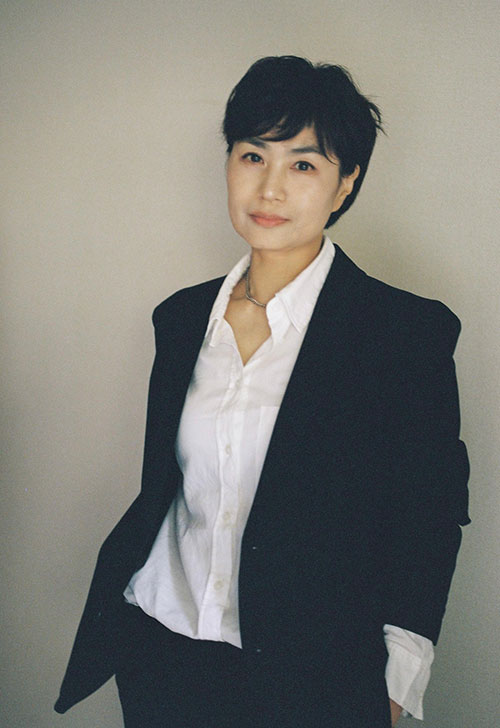
KIM Ilrhan
Born in South Korea. Kim Ilran is a documentary filmmaker focusing on gender, human rights, and structural violence. Her notable films include Mamasang: Remember Me This Way (2005), 3xFTM (2008), Two Doors (2011, co-directed), and The Remnants (2016, co-directed).
Credit
- Producer조소나 JO Sona
- Cast 에디 Edhi 앨리스 Alice
- Cinematography 허철녕 HEO Chulnyung 정새별 JEONG Saebyeol
- Editor 김산 KIM San 이학민 LEE Hakmin
- Music 이민휘 LEE Minhwi
- Sound 고은하 KOH Eunha
FIPRESCI Award
Beyond Now, Nyein
- South Korea
- 2025
- 109min
- 15 +
- DCP
- color
In 2021, at the height of the COVID-19 pandemic, Korean national Choi Jinbae and his wife, Nyein Thazin from Myanmar, began receiving photos and videos from her home country. They contained stark evidence of the violence and repression unleashed after the military coup. While Choi worked as a delivery driver and Nyein as a restaurant server in Korea, the couple devoted themselves to supporting Myanmar’s pro-democracy movement.
Filmed over five years, director Lim Daecheong’s debut feature follows the turbulent chapter the couple has lived through since the coup. As global attention to Myanmar’s struggle fades beneath the relentless tide of other conflicts, urgent video messages continue to arrive on their phones. Originally planning to center the film on footage of military violence and popular resistance, Lim ultimately shifts his focus to the couple’s emotional odyssey amid Myanmar’s prolonged political crisis.
Their inner world—marked by anxiety, guilt, and the strain of forging a life in a new country—is conveyed through a blend of observational and dramatized sequences. What emerges is not the portrait of unshakable activists, but of ordinary people who stumble and falter, yet persist. In their faces, sorrow and doubt are inseparable from resilience. To meet their gaze, the film suggests, is to begin the ethical work of bearing witness and extending solidarity to the suffering of others.
Director
-
LIM Daecheong
Born in South Korea, 1976. Lim Daecheong focuses on stories of marginalized people living in contemporary society. His major work includes Molly's Home (2020).
Credit
- Producer정한 JEONG Han
- Cast 녜인따진 NYEIN Thazin 최진배 CHOI Jinbae
- Cinematography 조영천 CHO Youngchen
- Editor 임대청 LIM Daecheong
- Music 한민희 HAN Minhee
- Sound 한민희 HAN Minhee